
Out and about · Pocket guide
Before you visit a dog-friendly cafe
Before you go, ask the cafe where dogs are allowed (patio only or indoors), how far apart the tables are, whether there is shade, and whether water bowls are provided.
 By Jess Harlan, Field editor · 5 min read · Published · Updated
Ask about the actual seating area
Before you go, ask the cafe where dogs are allowed (patio only or indoors), how far apart the tables are, whether there is shade, and whether water bowls are provided. Calling ahead saves you from an awkward reshuffle once you’re holding two coffees and a leash. Many cafes that advertise themselves as dog-friendly only mean the patio or one outdoor section, while the dining room stays off-limits.
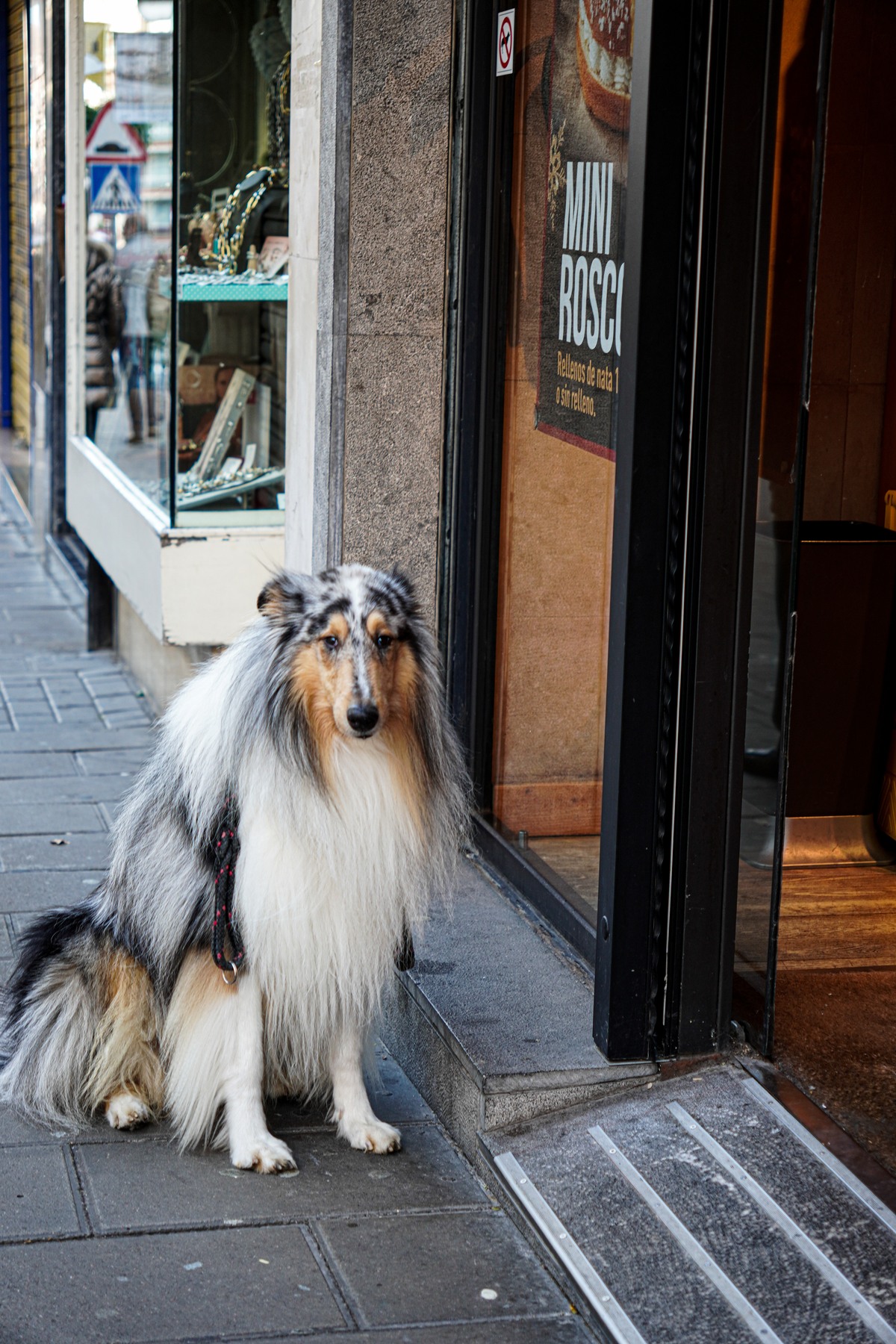
The phrase “dog-friendly” needs unpacking. It can mean the whole room, one corner, a covered patio, or a stretch of sidewalk seating, and the cafe is the only one who can tell you which.
Ask specifically whether dogs are welcome at outdoor tables only, or in some enclosed patio area too. If the cafe has both covered and uncovered patio sections, ask which one applies, since weather and shade change how comfortable that spot is for a dog on a longer visit.
Ask about spacing between tables too. A patio with tables set close together gives your dog less room to settle and increases the chance of a tense moment with another dog or a stroller passing through.

Consider asking:
- Is there a separate entrance for the pet-friendly section?
- Are water bowls provided, or should you bring your own?
- Is the seating area fenced or open to a sidewalk or parking lot?
None of this guarantees a smooth visit. It does mean you arrive knowing what you’re walking into, with a dog who’s already anticipating a walk and a snack.
Keep the visit manageable
Shorter, simpler visits tend to go better than open-ended ones, especially the first time you try a new cafe with your dog. Pick a modest goal: one drink, one short sit, one clear exit point.
Go off-peak if the cafe seems busy or the patio is small. Fewer people and fewer dogs moving through a tight seating area gives you more room to work with.
Decide in advance what a good stopping point looks like. That might be finishing your drink, or it might be noticing your dog seems restless or overstimulated.
Having that marker in mind before you sit down makes it easier to leave without lingering past the point where the visit is still enjoyable for anyone at the table.
Bringing your own water and a mat or towel for your dog to settle on is a simple way to reduce how much you depend on what the cafe happens to offer that day. Some cafes provide bowls, some don’t, and having your own removes that uncertainty.

Keep the rest of your visit simple too. Sit near the edge of the seating area, clear of the main foot traffic, and pick a table where you can see the entrance and any path other dogs might take to reach the patio.

What should you ask a cafe before bringing your dog?
A short, repeatable list of questions makes it easier to size up any dog-friendly cafe quickly, without treating each new place as its own research project. Keeping the list short also means you’re more likely to actually ask it, since a long list feels like too much at the door.
A working list might include:
- Which areas allow dogs, and is that separate from where food is served?
- Is the seating outdoors, covered, or fully enclosed?
- Are tables spaced far enough apart for a dog to lie down comfortably?
- Is there shade or shelter if the visit runs longer than expected?
- Are water bowls available, or should you bring one?
None of these questions require special knowledge of the cafe beforehand. They’re meant to be asked in person, by phone, or sometimes answered just by looking at the layout when you arrive.
Treat the list as a flexible starting point. Some cafes will answer all five points in one sentence at the counter. Others might need you to walk the patio yourself to see how the tables are arranged and whether the space feels workable for your dog’s size and temperament that day.
Adjust the list based on what matters for your own situation. A dog who overheats easily makes the shade question more important. A dog who’s uneasy around fast foot traffic makes table spacing worth checking first, before anything else on the list.
Record what you actually learned
Writing down what you noticed after a visit turns one outing into a useful reference for the next one. A quick note, on your phone or in a small notebook, about which section allowed dogs, how the tables were spaced, and whether water was provided saves you from re-asking the same questions next time.

Make each note specific, not vague. Instead of writing “dog-friendly,” write down the actual detail: “patio only, no shade after early afternoon” or “indoor corner table near the door, bowls available on request.” These specifics are what you’ll actually want to remember on a return visit.
Organize notes by what tends to change most:
- Which section allows dogs, and whether that changes by day or time
- Table spacing and whether the patio felt crowded
- Whether water was offered or needs to be brought
- Shade, cover, or exposure to sun and weather
Notes build a personal shortlist of cafes that fit your dog, but one visit doesn’t settle a place for good. Conditions change, staff changes, and a patio that felt spacious on a quiet weekday can feel entirely different on a Saturday afternoon.
Reviewing your notes before a return visit, or before recommending a cafe to someone else, keeps the information useful and current, since a single impression from months earlier can go stale.