
Out and about · Short feature
A rainy-day outing with a real backup plan
When rain hits a scheduled walk, pick one of three options: go now if the rain is light and steady, wait if the radar shows a break is close, or swap in a smaller backup such as a yard trip or an indoor scent game.
 By Jess Harlan, Field editor · 5 min read · Published · Updated
Name the decision point
When rain hits a scheduled walk, pick one of three options: go now if the rain is light and steady, wait if the radar shows a break is close, or swap in a smaller backup such as a yard trip or an indoor scent game. Each choice carries its own tradeoffs, and naming the moment before you’re standing at the door with a leash in hand makes the choice faster.
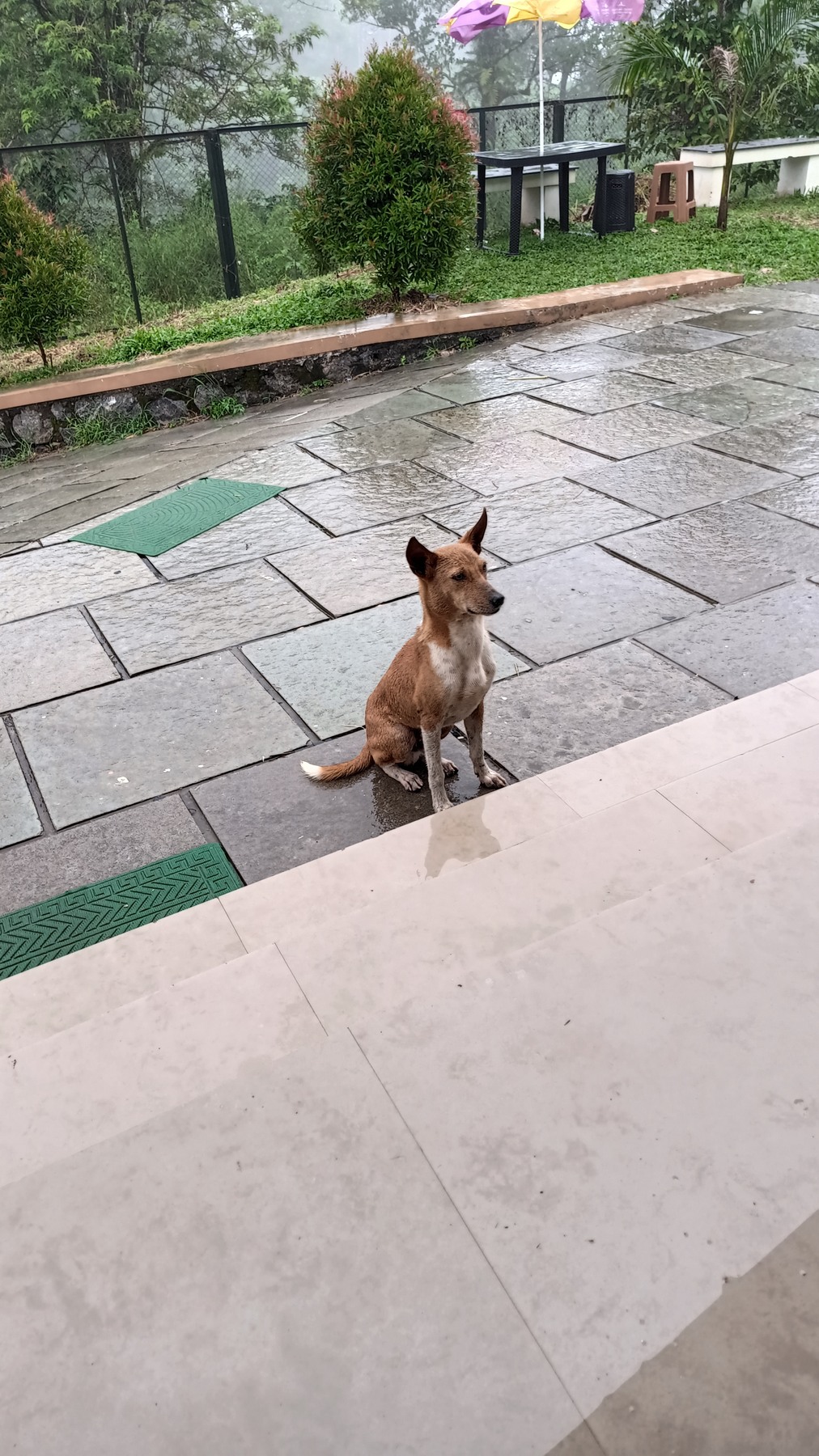
Going now works best in a light, steady rain, the kind that never picks up enough wind to drive it sideways. A dog that’s already restless from a missed morning walk may do better with a shorter, wetter loop than with more time spent waiting.
Waiting it out suits weather that’s moving through fast. Checking a local radar pattern rather than the general forecast can help you judge whether a break is twenty minutes away or three hours away.

Swapping the walk for a shorter version, or for indoor activity, fits the days when rain is steady and the forecast shows no real break. This is where a real backup plan earns its name. It’s specific and pre-decided, not a vague “we’ll figure it out” made up on the spot.
The decision point is easier to name in advance than in the moment. Set a simple household rule ahead of time, such as: steady rain with no break on the radar means the shorter or indoor option, no debate needed.
Naming the decision point also means naming who decides. In a multi-person household, rain-day indecision often comes from two people assuming the other will make the call. Deciding in advance who checks the weather and who makes the go/no-go call removes that gap.
Pack for the return
The return trip needs its own preparation, separate from what you pack for the walk itself. A wet dog coming back into the house is a different situation than a dry one, and planning for that moment in advance saves scrambling once you’re both back at the door.
Keep a towel right at the entry so you are not hunting for one with a wet dog at the door. Some households keep a second towel just for paws, since paws track in more mess than a coat does.

A mat or absorbent surface just inside the door gives you somewhere to manage the dog before wet feet reach carpet or wood.
Work out what order fits your entryway. Wipe or towel the paws first if mud is the main concern, then towel the body if the coat is soaked through, and let the dog settle in one contained spot before moving through the rest of the house.
A spare leash or harness kept near the door, dry and ready, means a soaked one doesn’t have to be reused right away for a second short trip out.
Food and water afterward stay the same as any other day. What changes is the sequence, handling wetness and mud before the dog moves freely through the house instead of afterward.
The right order varies by entryway, floor type, and how much your dog tolerates being toweled off. Work out yours on an ordinary wet day, when nothing much is riding on it.
What can replace a dog walk on a rainy day?
A backup plan works best when it’s smaller than the original walk instead of trying to match it. Recreating the same distance or duration indoors, or during a lighter rain window, often creates pressure that defeats the purpose of having a backup at all.
Shrinking the plan starts with picking one element to preserve and letting the rest go. If the walk is mainly about a bathroom break, a short trip to the yard or nearest patch of grass may cover that need without a full route.
If the walk is about movement, a few minutes of fetch down a hallway or a short training session stands in for part of it. Neither matches the original walk for duration or distance, and neither is meant to.

Scale down along a few dimensions:
- Distance: a shorter loop instead of the usual route.
- Time: five or ten minutes instead of the full walk.
- Location: a covered porch, garage, or hallway instead of the outdoor route.
- Activity type: a mental task like a scent game instead of physical movement.
Choosing just one or two of these to adjust keeps the backup manageable, instead of trying to compensate on every dimension at once. A smaller backup also keeps the household rule from the first section simple: below the threshold, the smaller plan happens automatically, no negotiation needed each time.
Shrinking the plan should make it something you’ll actually use on a wet, low-motivation day. A backup that turns into its own hurdle just becomes one more thing to skip.

Share the change
Telling everyone in the household about the swapped plan matters as much as making the plan itself. A backup that lives only in one person’s head tends to fall apart the moment someone else opens the door expecting the usual routine.
A short shared note, whether it’s a text, a shared calendar entry, or a line on a whiteboard by the leash hooks, keeps everyone working from the same plan. This is especially useful in households where different people handle different walks throughout the day.
Your dog reads the change too, in whatever way your household already signals a walk. Some households keep the same leash-and-door sequence regardless of length; others notice their dog clocks the difference immediately and adjusts.
When the plan changes for the day, share which backup option you chose (shorter walk, indoor activity, or delayed walk), roughly when the next full walk is expected, and whether the return-home towel-and-mat routine from earlier applies today.
No formal system is required, just the habit of saying the plan out loud or in writing instead of assuming it’s obvious. On a day when the weather keeps changing, a shared note also makes it easier to revise again without anyone losing track of what was decided first.
None of this settles a restless dog or replaces the walk you skipped. It just means fewer surprises at the door.