
At home · Home setup guide
A small-space landing zone for muddy walks
A small-space landing zone is one stop just inside the door where wet paws, leash and harness land on a surface you can wipe, with towels at dog height and separate spots for wet, drying and ready gear.
 By Jess Harlan, Field editor · 5 min read · Published · Updated
Where should a muddy-walk landing zone go?
A small-space landing zone is one stop just inside the door where wet paws, leash and harness land on a surface you can wipe, with towels at dog height and separate spots for wet, drying and ready gear. Build it on the path your dog actually takes from door to floor. Walk that route yourself, empty-handed, and notice where paws hit first and where mud tends to transfer to walls or trim.
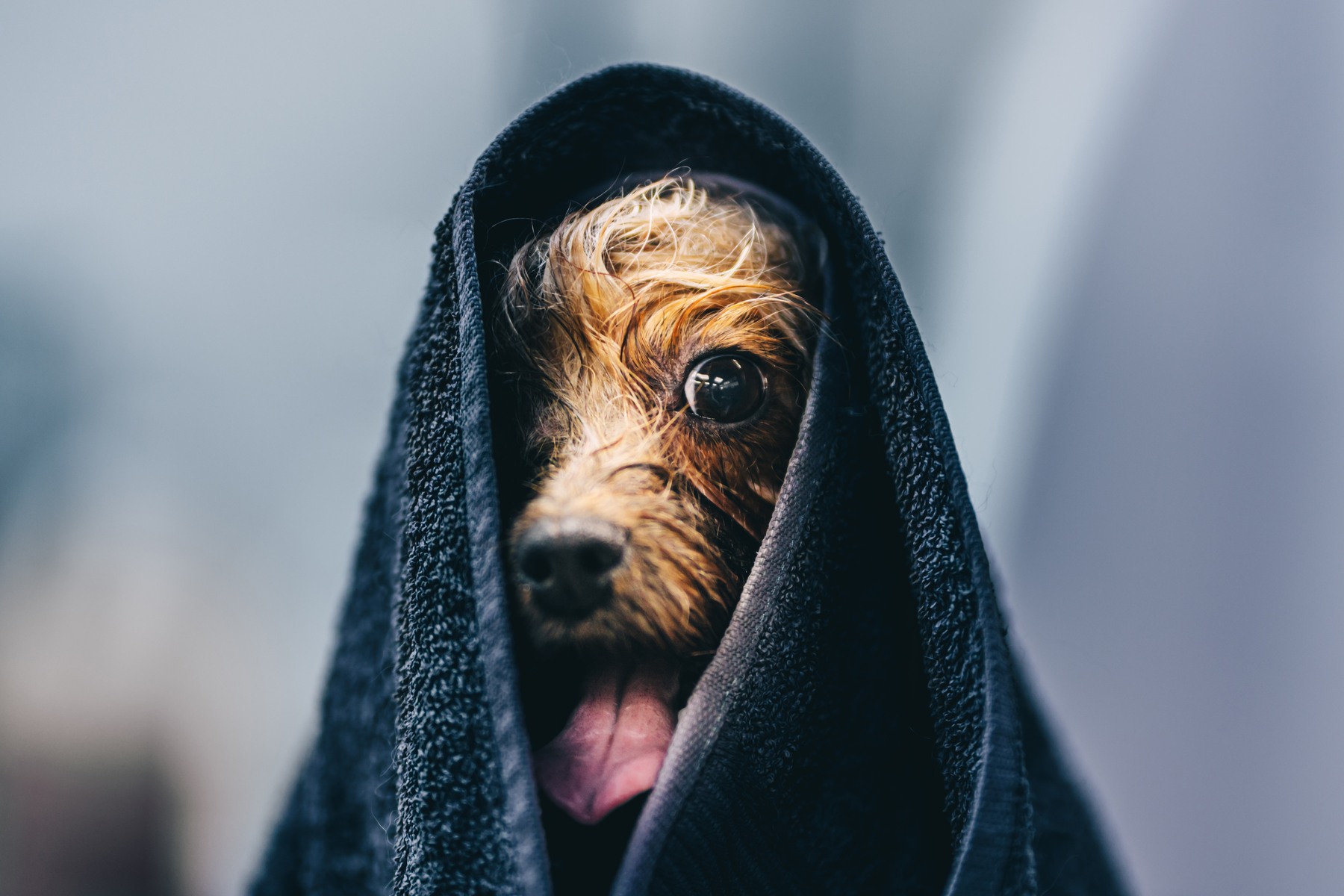
Most entry points have a natural sequence: outside mat, threshold, then interior flooring. Placing a containment layer at each of those three points catches debris in stages instead of asking one big mat to do everything.
Consider the direction your dog moves when excited or rushed. A leash gets dropped, a door swings wide, paws hit the floor before you’ve had a chance to intervene.
Positioning towels, trays, or a step-in mat directly in that path gives you a chance to intercept mess before it spreads further into the home.
The goal is to shorten the distance between “still muddy” and “wiped down” to a single, predictable stop. If your dog has to pass through a hallway or living room before reaching a designated cleanup spot, mud has already traveled with them.
A few organizational choices to weigh, depending on your layout:
- A boot tray or low bin just inside the door, sized to hold a towel and a shallow water bowl for quick paw rinsing.
- A washable runner rug extending from the door to wherever leash and gear get stored, so wet paws stay on one surface.
- A hook or bin for towels positioned at dog height, not just human reach, so a quick wipe-down doesn’t require bending across the room.
Every option here works by shortening the distance a wet paw travels before it meets a surface you can clean.

If your home has a mudroom, garage entry, or side door that dogs use more than the front door, that’s often the more practical place to build this zone. The front entry may look nicer, but the side door might better match the return journey your dog actually takes after a walk.
Take note of doorways with tight turns or steps down. Those spots often become the place where a leash gets tangled or a dog shakes off water.
Planning cleanup supplies nearby keeps that moment contained to one spot.

Separate wet from ready
Distinct zones for wet gear and ready-to-use gear keep muddy items from re-contaminating dry space. Give each state, wet, drying and ready, its own physical spot.
A simple three-stage layout can help:
- Wet stage: where leashes, harnesses, and paws land immediately after the walk, ideally on a washable or wipeable surface.
- Drying stage: a hook or rack away from the wet-stage surface, giving damp towels and gear airflow without dripping onto items already dry.
- Ready stage: a separate hook, basket, or shelf holding leashes and harnesses that are fully dry and ready for the next walk.
Keeping these stages physically apart, even by a few feet, means a dry leash isn’t hanging against a wet towel.
Toweling supplies deserve their own consideration. A dedicated bin or hook for “dog towels only,” separate from household towels, keeps wet, muddy fabric from mixing with clean laundry piles.
Some households label or color-code these towels so the distinction is obvious to anyone in the home, not just the primary dog walker.
Footwear and boots need the same setup. A tray or mat for wet boots, positioned apart from where dry shoes are stored, keeps mud from transferring while the boots dry.

Adjust the split as you watch your own routine. A small entryway might only have room for a single hook and a tray. Build the wet stage first, since that’s where the mud actually lands, and let the other two wait.
If storage space is limited, consider stackable bins or over-door racks that add vertical separation without requiring more floor space. The specific product chosen matters less than maintaining a clear boundary between what’s still wet and what’s ready for the next outing.
After the landing zone, the next stop is usually the room where the dog rests. Here is a one-room routine for a small dog air purifier that fits into the same daily loop.
How to practice the after-walk reset
Practicing the reset between walks, before the next muddy trip happens, helps you notice gaps in the setup while consequences are still low. Standing in the entryway and mentally walking through the steps, or physically doing them with dry gear, can reveal awkward reach points or missing supplies before a real muddy dog is standing there waiting.
A basic reset sequence might include:
- Wipe or rinse paws at the designated wet-stage spot.
- Hang the leash and harness at the drying stage, not directly back on the ready hook.
- Move dry towels from the previous walk into the ready stage or laundry.
- Check that the wet-stage surface (mat, tray, or towel) is clear and ready for the next return.
Running through this sequence during a calm moment, not during an actual muddy return, lets you catch problems early: a hook that’s too high, a towel bin that’s too small, or a mat that slides on hard flooring. These are layout issues you can adjust before they become recurring frustrations.
The rehearsal earns you fewer decisions at the door, even when the walk itself stays messy. Dogs and weather stay unpredictable no matter how the entryway is arranged. What changes is that the sequence is already familiar when you need it.
Consider involving anyone else in the household who handles dog walks in this rehearsal. A system that only one person understands tends to break down when someone else is managing the return trip alone.
Seasonal changes are worth revisiting too. A setup built for occasional light mud may need adjustment once wetter months bring heavier, more frequent debris. Reassessing the layout every so often keeps the system matched to actual conditions as they change.
